


The song is ended, but the melody lingers on
Honoring a loved one after cremation is one of the most personal decisions a family will ever make. There are so many options and so many people giving heartfelt advice; it can be hard to decide. There are considerations for each option, and the best advice is often to avoid making an irreversible decision until you are certain.
In the first days after cremation, many families feel uncertain. Some are comforted simply knowing their loved one is close. Others worry about making the “wrong” decision too quickly. That is normal. Honoring a loved one is not about rushing. It is about finding a choice that brings peace, dignity, and lasting remembrance.
Common Options for Ashes
There are so many options, some of them quite unique, and some may feel unfamiliar or uncomfortable. Families today are presented with many different cremation memorial ideas. For now, we will focus on the more conventional and established methods of honoring a loved one’s ashes, called cremains. Since cremains may be divided, more than one option can be selected; ultimately, families return to one central question: How do we consider Honoring a Loved One After Cremation?”
Keep at Home
Best for: Families who need more time before making a permanent decision.
Keeping the ashes at home is a common option. It is usually temporary, but it can last for years. The main benefit is that it gives you time to decide on the final placement. It also gives you the comfort of having a loved one close. The main concerns are the limitations on visitations by family and friends, potential accidents, and the visual reminder that the task remains open.
Burying
Best for: Families with an established burial plot already a place for future generations to visit.
Burying has some benefits. It creates a place that family and friends can visit. It is somewhat enduring and relatively safe. You must be careful that you have the right to bury cremains at the selected place. You must also ensure the urn is properly prepared for burial. If the urn is biodegradable, it most likely can be placed in an urn bag and placed in the grave. If it is not biodegradable, a concrete or other material vault will most likely be required. In many cemeteries, cremated remains should remain inside the urn rather than being poured directly into the grave. Always follow the cemetery’s requirements.
Scattering
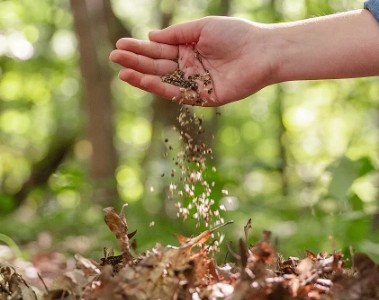
Best for: Families with a meaningful location and who understand that the decision cannot be reversed.
Scattering is popular, and its advantages include ease of disbursement and the almost limitless places where it can be scattered. But you must be sure you have the proper permissions to scatter ashes in the selected area. Almost all places have rules and regulations, including parks, rivers, lakes, oceans, fields, and cemeteries. The practical concerns are that this is an irreversible option, visitation becomes complex, and you must handle the cremains, which may be emotional and uncomfortable. Also, while cremains are not toxic to people, large concentrations of cremains can affect soil chemistry and plant growth in sensitive environments.
Dividing
Best for: Families where having more than one memorial makes the decision easier.
The funeral or cremation home may provide mini-urns and divide the cremains for family keepsakes. You can also do this yourself, remembering that you must then handle the ashes. There are options for incorporating ashes in jewelry and artworks.
Columbarium
 Best for: Families seeking permanent remembrance and a place future generations can always visit.
A Columbarium is an enduring place of remembrance, indoor or outdoor, that contains niches designed to hold either individual, companion, or family cremains in urns. Columbaria are most often located in cemeteries and may be multiple small structures for small groups or a single large structure for many. The advantages of a columbarium are that it provides long-term memorialization and is safe, supports individuals, companions, and families, and serves as a legacy site for family and friends to visit. Faith-based columbaria offer additional security of non-profit Church care and inurnment in a church cemetery. They are more expensive than informal options, in that you must obtain a Right to Inurnment License and pay a range of cemetery fees.
Moreover, the columbarium has a feeling of permanence. Designed to last for generations, the gravity-wall columbarium is intended to endure for centuries. It is on sacred grounds that make up the Walker Chapel Historic District. Arlington County’s Historic Affairs Landmark Review Board oversees the grounds and provides assistance and guidance in historic preservation while protecting them from other uses. To learn more about Walker Chapel please visit the Walker Chapel website.
The Columbarium says you will not be forgotten,
and that future generations will cherish your memory
The columbarium contains companion niches for two and family niches for four to six urns depending on the size of the urns. It is the place for cremated remains and the way to honor ashes after cremation. Walker Chapel extends the memorialization as a Christian place of remembrance and a historic cemetery columbarium.
Unlike scattering, a columbarium creates a permanent place where future generations can visit, reflect, and remember together. Families often discover that having a physical destination for remembrance becomes increasingly important over time. You may find these articles from our library helpful: Choosing a Final Resting Place for Ashes and Creating a Family Legacy in a Historic Cemetery [pdf].
The Columbarium is open to all regardless of race, ethnicity, gender, religion, or wealth. The cemetery is staffed by volunteers from the Chapel congregation, is well funded, and has been an active Christian burial ground for over 150 years.
Plant a Tree. Preserve a Memory

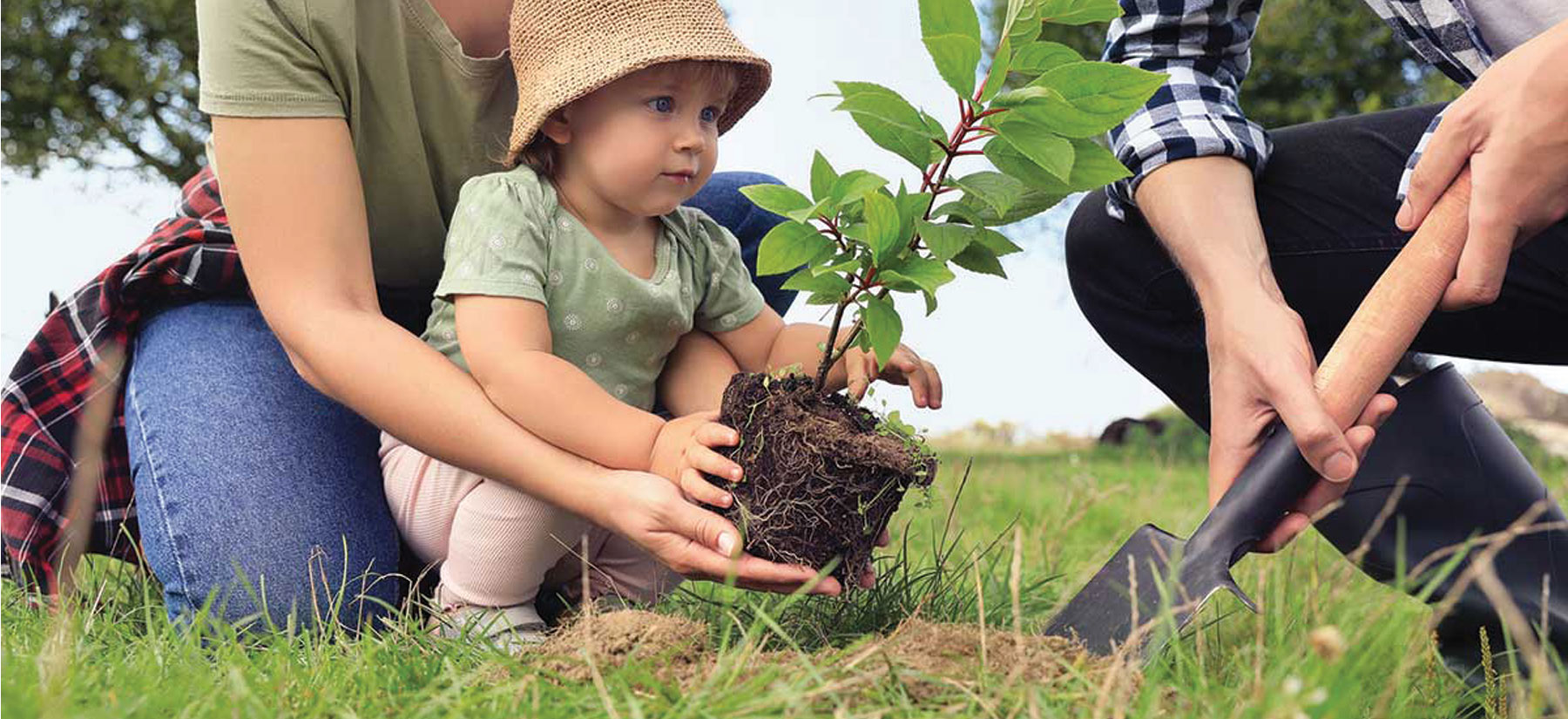
Many families discover that honoring a loved one after cremation is not limited to where ashes rest. A tree planted in memory of someone you love becomes a living reminder that grows stronger with every passing season. Walker Chapel Historic Cemetery and Columbarium is a two-acre garden with many beautiful trees planted in memory of a loved one yet placed for all to see and enjoy.
Imagine grandchildren returning years from now and saying, “Grandpa planted this tree.”
This is about legacy. A question we ask ourselves is,
”How do we help future generations remember the people they love?”
Like a columbarium niche, a memorial tree creates a place where stories continue to be told. It’s time to come walk the grounds, see the memorial trees, visit with us, and decide what feels right for your family.